Sunbeds and towels. That is what we Germans are (in)famous for when the sun is out, writes Transport News European correspondent Peter Schmitz.
The ongoing pre-dawn towel battle with die Insulaner (our affectionate name for the Britons, the islanders) at holiday destinations across Europe requires deftness, ruthlessness and no small amount of Schadenfreude.
Unfortunately, the sun has also brought another battle, this time for the German freight sector, where a towel is more likely to be transported than used to declare ownership of over-engineered plastic loungers.
A lack of rainfall has seen the River Rhine, which runs through western Germany, fall to record low levels in several locations.
The Low Water Information System (NIWIS) said 44% of Rhine measuring stations had recorded extremely low water levels at the end of July.
Since then, it has been reported that the navigable water depth at Kaub, near Koblenz, was just 15cm, below the previous lowest recorded level of 25cm in 2018.
So, why is this news?
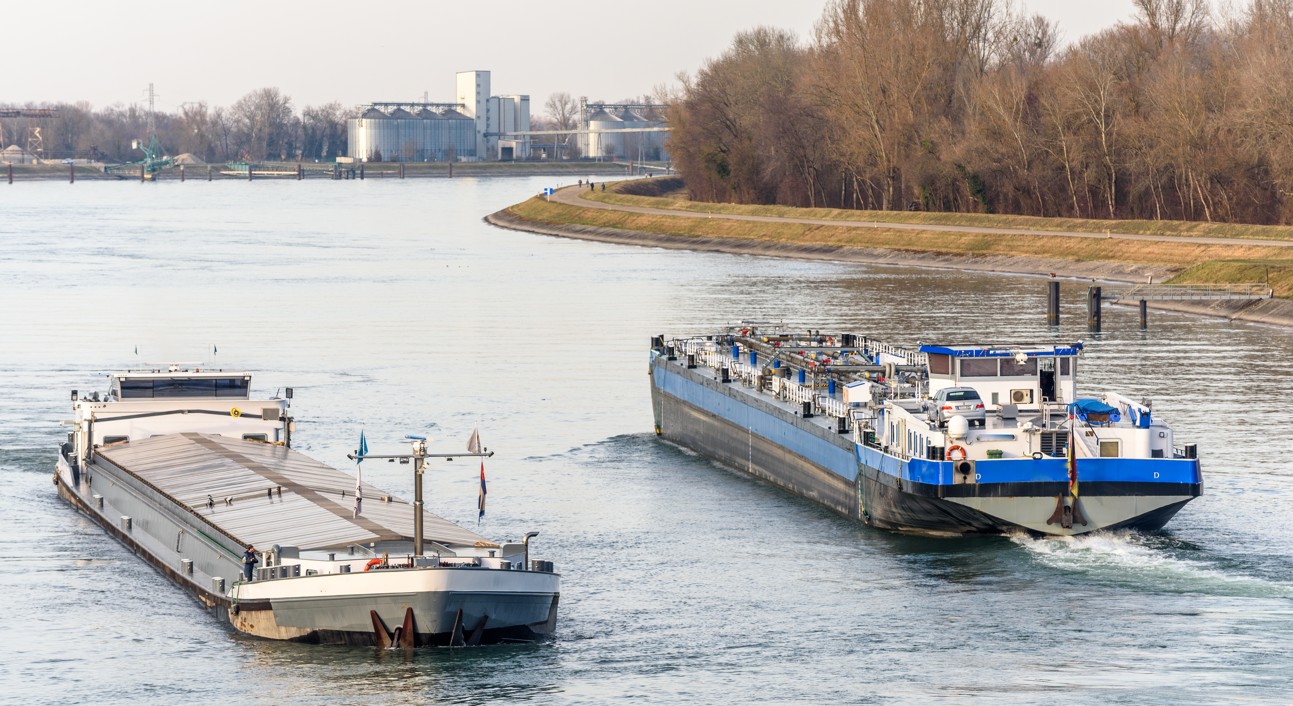
Inland waterways and canals do a lot of the heavy lifting in Germany, accounting for around 6% of all freight moved. The drought has forced some waterborne freight onto rail and road.
The three options for moving freight are not unique, but the strong combination of all three makes Germany somewhat different from many other European countries. Its inland waterways, particularly the Rhine and its network of canals, provide a high-capacity freight corridor.
Only Belgium and the Netherlands are comparable, albeit on a smaller scale.
According to the latest full-year figures from the Federal Statistical Office of Germany (Destatis), inland waterways carried 171.6 million tonnes of goods last year, down from 205.1 million tonnes in 2019.
By comparison, inland waterways in the UK move around 45.6 million tonnes, with almost two-thirds of that carried on the Thames.
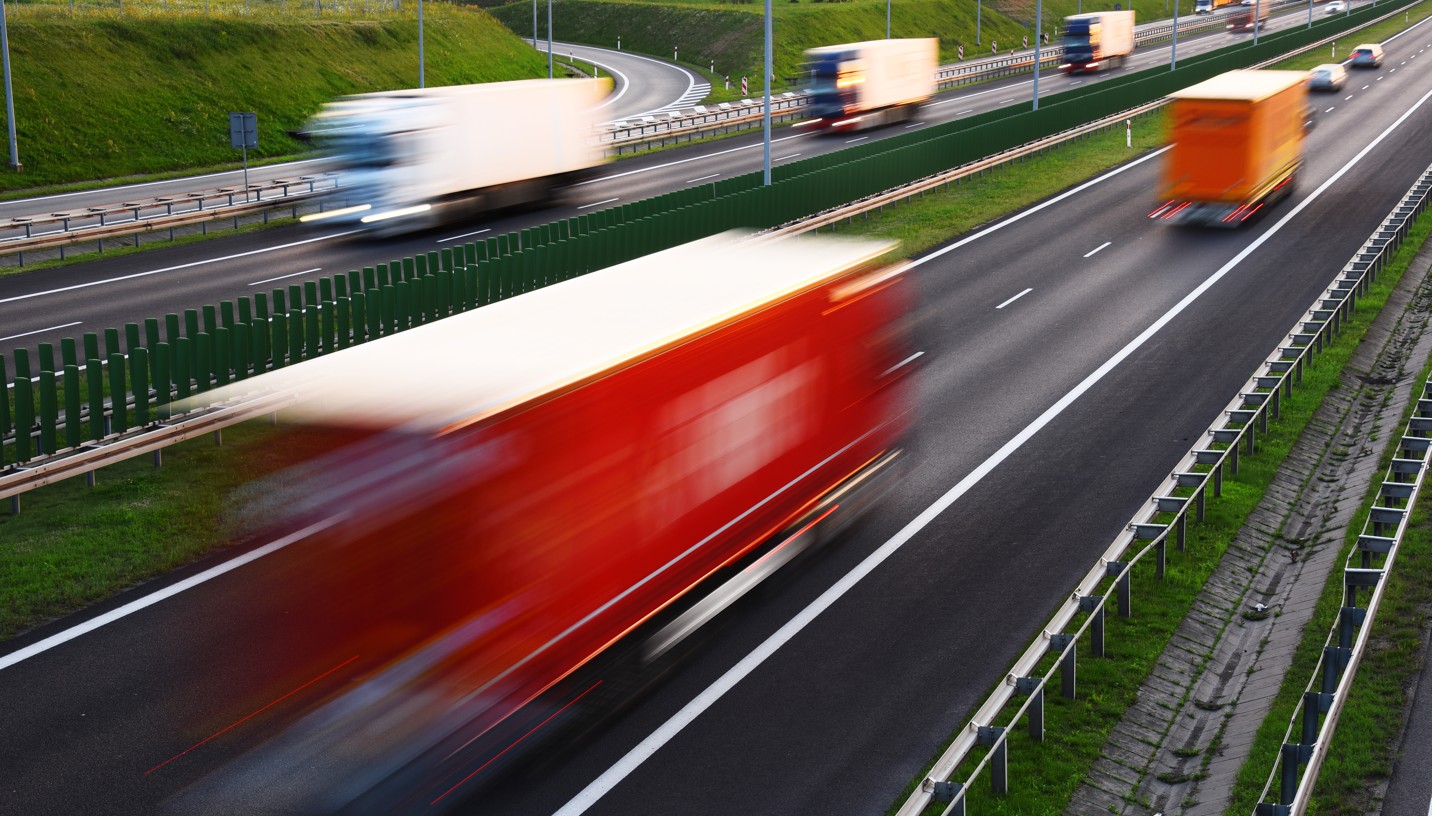
Around 2.8 billion tonnes is moved by road in Germany, and 328 million tonnes by rail. In the UK, the figures are around 1.6 billion tonnes by road and 73 million tonnes by rail.
In the 19th century, newly built German railways allowed coal, steel, agricultural products and manufactured goods to be moved much faster and in much larger quantities than by horse-drawn transport.
Adobe Stock.
At the same time, Germany invested heavily in improving its rivers and canals, and the Rhine became increasingly important as industrialisation accelerated in the Ruhr region.
In the early 20th century, waterways were further expanded and canals connected Germany’s major river systems and industrial regions.
The Rhine became the backbone of German inland shipping, linking the industrial Ruhr with the major North Sea ports and extending south towards Strasbourg in France.
Post-war reconstruction produced huge demand for the movement of coal, steel, construction materials and other bulk commodities. Rail and inland waterways were particularly important in supplying Germany’s rapidly expanding industrial economy.
By the 1950s, freight by road had increased significantly and began to carry a greater share of the burden. Even so, Germany retains a three-way freight system, with road accounting for roughly three-quarters of freight movement, rail around a fifth and inland waterways carrying the remainder.
The drought has meant fewer shipments by water and more by road, bringing additional strain and highlighting a lack of spare capacity.
When numerous German states lifted Sunday and holiday restrictions on lorry movements to help carriers redistribute cargo more quickly between inland vessels and road transport, it highlighted just how serious the situation had become.
And things don’t look any better.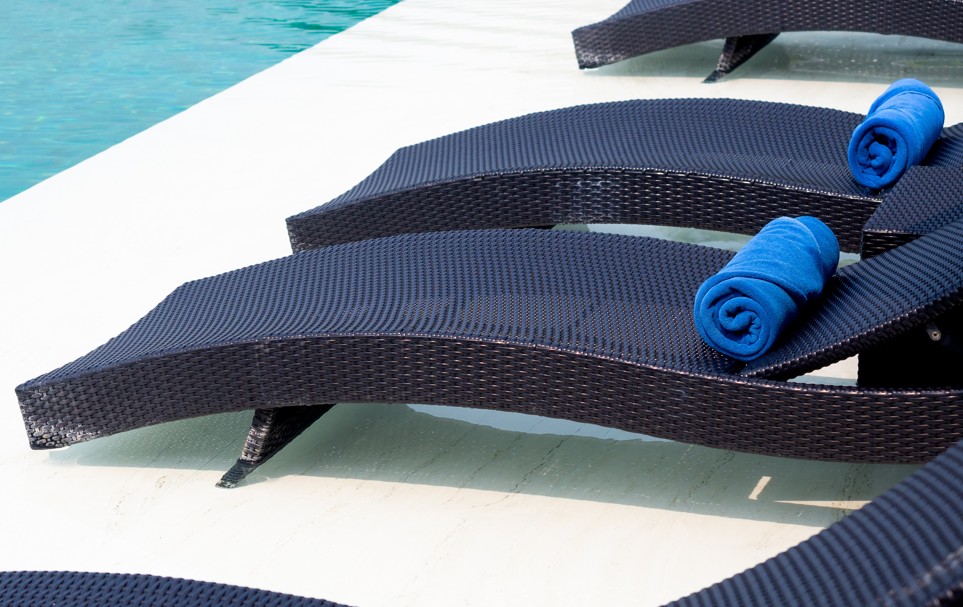
Weather is expected to heat up significantly through mid-August 2026, peaking with sunny and very hot conditions over the August 14–15 weekend, followed by highs of 32°C to 36°C before turning cooler and a tad more unsettled, according to several weather forecasting agencies.
That means, at least for the moment, Germans returning from European pool-side battlegrounds are now more likely to use a towel for shade rather than to sunbathe.
I suspect die Insulaner will be doing the same.