Multi-camera systems are the leading technology priority for improving HGV driver safety, with half of UK transport and logistics managers identifying them as the most important safety tool, according to new industry research.
The findings, published by transport technology specialist Microlise ahead of Brake’s Road Safety Week (15-21 November), highlight the growing role of vehicle technology in helping operators manage road risks and protect drivers and other road users.
The company’s annual report, *Navigating UK Transport and Logistics in 2026 and Beyond*, is based on a survey of 250 UK transport and logistics managers.
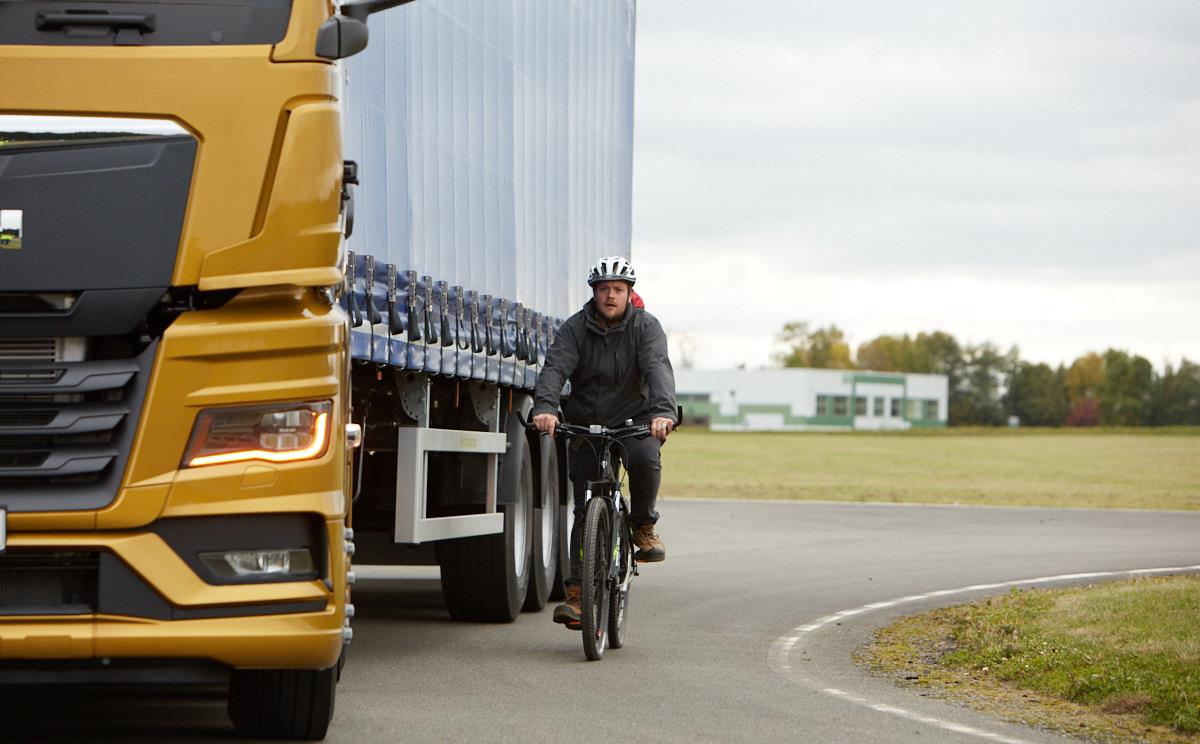
Asked which technology was most important for driver safety, 50% selected multi-camera systems, which improve visibility around commercial vehicles and help drivers identify hazards, particularly in areas with restricted sightlines.
Driver hazard warning systems ranked second, selected by 32% of respondents. These systems alert drivers to potential dangers along their routes, including low bridges and other infrastructure hazards.
Meanwhile, 16% identified AI-enabled driver monitoring cameras as their top safety technology. These systems can detect signs of driver distraction, fatigue and other potentially unsafe behaviour, allowing operators to intervene where necessary.
Just 2% of those surveyed said no technology was crucial to driver safety.
For fleet operators, the benefits of multi-camera systems extend beyond improving visibility. Recorded footage can provide valuable evidence following collisions, support insurance investigations and accelerate the First Notification of Loss (FNOL) process.
Better incident information can also help operators identify recurring risks, manage claims and potentially reduce insurance costs.
Microlise said the findings demonstrate how operators are increasingly looking to technology not only to improve immediate vehicle safety but also to provide actionable information that can inform driver training and wider fleet risk management.
Chief executive Nadeem Raza said cameras were increasingly being used as a preventative safety tool rather than simply a means of establishing what happened after a collision.
“The real value lies in using the information they capture to identify patterns of unsafe behaviour, address recurring risks and determine where additional driver support or training is needed,” he said.
He added that investment in technology was only part of the solution, with operators needing to act on the information available to make a meaningful difference to road safety.
Ross Moorlock, chief executive of road safety charity Brake, said HGV operators had a particular responsibility because of the potential consequences of collisions involving large commercial vehicles.
“Heavy goods vehicles play an essential role in keeping the country moving, but their size and weight mean collisions can have particularly serious consequences for all road users,” he said.
Moorlock said technology needed to form part of a wider commitment to safer operations, including well-maintained vehicles, properly trained and supported drivers, and greater protection for vulnerable road users.
Brake’s Road Safety Week, running from 15-21 November, will focus on people and the shared responsibility of everyone using the roads to protect themselves and others.