A UK-backed study into the future of autonomous freight has identified hub-to-hub motorway trunking and intermodal shuttle services as the most promising applications for the early deployment of self-driving HGVs across the UK logistics sector, writes Peter Brown.
The findings were unveiled by the eFREIGHT Autonomous consortium during Voltempo’s Autonomous Conference in Birmingham on 18 May. The event brought together freight operators, vehicle manufacturers, technology providers and government representatives to explore the opportunities and challenges associated with autonomous freight transport.
The consortium, led by Voltempo in partnership with Connected Places Catapult and Berkeley Coachworks, secured funding in 2025 through the Connected and Automated Mobility (CAM) Pathfinder Feasibility Studies competition. The programme is supported by the UK Government and delivered by Innovate UK and Zenzic.
Over the past nine months, the consortium has conducted extensive engagement with fleet operators, government departments and all major European truck manufacturers. The research examined how autonomous vehicle technology could be integrated into existing UK freight and logistics operations.
According to the report, autonomous freight is progressing beyond trial phases in several international markets and is moving towards early commercial deployment. The study suggests that the UK is also approaching a key milestone, with preparations underway for the implementation of the Automated Vehicles Act 2024, which will provide the regulatory framework for the introduction of self-driving vehicles on British roads.
Industry stakeholders at the conference highlighted the potential for autonomous freight operations to improve efficiency, address driver shortages and enhance the resilience of supply chains, particularly on predictable motorway routes and fixed intermodal corridors.
The consortium’s findings are expected to contribute to ongoing discussions between industry and policymakers as the UK develops its roadmap for autonomous freight deployment.
Michael Boxwell, corporate development officer at Voltempo, said: “What’s become clear is that this is no longer a future concept. The technology, legislation and commercial interest are all moving forward quickly.”
According to the consortium, predictable hub-to-hub routes and short shuttle operations between ports, railheads and distribution centres offer the clearest commercial pathway for autonomous deployment because they operate within more controlled environments.
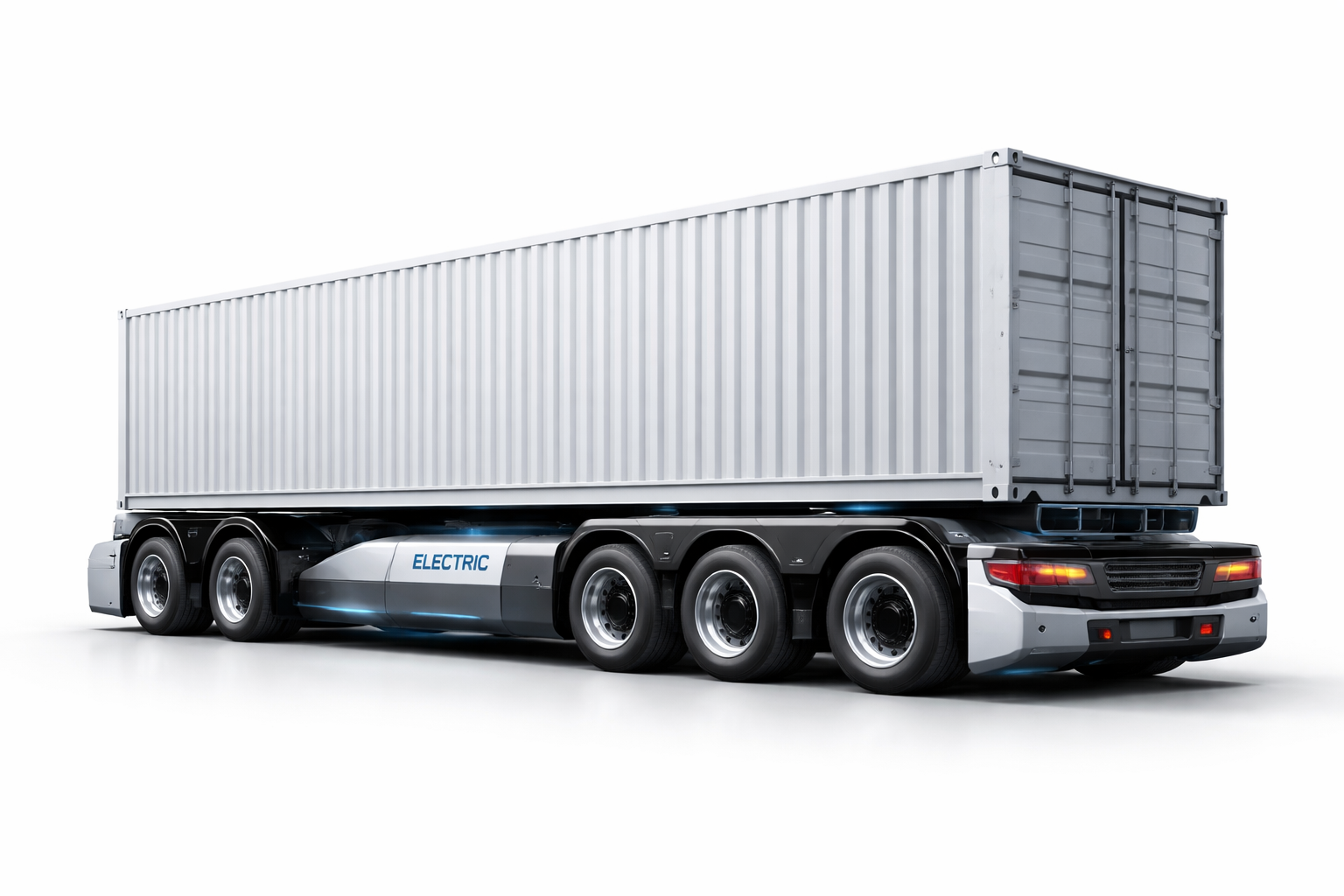
The project has also explored concepts for a new category of autonomous HGV, including lightweight ‘smart trailer’ designs which it claims could increase payload capacity by 15% while cutting vehicle weight by around 10%.
The consortium estimates these concepts could eventually remove more than 22,000 heavy vehicles from UK roads and reduce operating costs by up to 37%.
A further phase of the programme is expected to focus on supporting UK autonomous freight trials from 2027 onwards.